World Cup Football vs Traditional Tournaments: A Complete Guide to the Beautiful Game's Greatest Stage
Imagine stepping into a stadium where 48 nations clash, where underdogs dream of toppling giants, and where the world's most passionate sport reaches its absolute peak. This is the FIFA World Cup—a mo...
World Cup Football vs Traditional Tournaments: A Complete Guide to the Beautiful Game's Greatest Stage
Imagine stepping into a stadium where 48 nations clash, where underdogs dream of toppling giants, and where the world's most passionate sport reaches its absolute peak. This is the FIFA World Cup—a month-long celebration that has captured hearts since 1930 and continues to redefine itself with each edition.
Stadium View brings you comprehensive coverage of World Cup football, from historical milestones to the tactical innovations shaping the 2026 tournament. Whether you're analyzing team strategies, studying player statistics, or seeking match predictions, understanding the tournament's rich history and evolving format enhances every moment of this global spectacle.
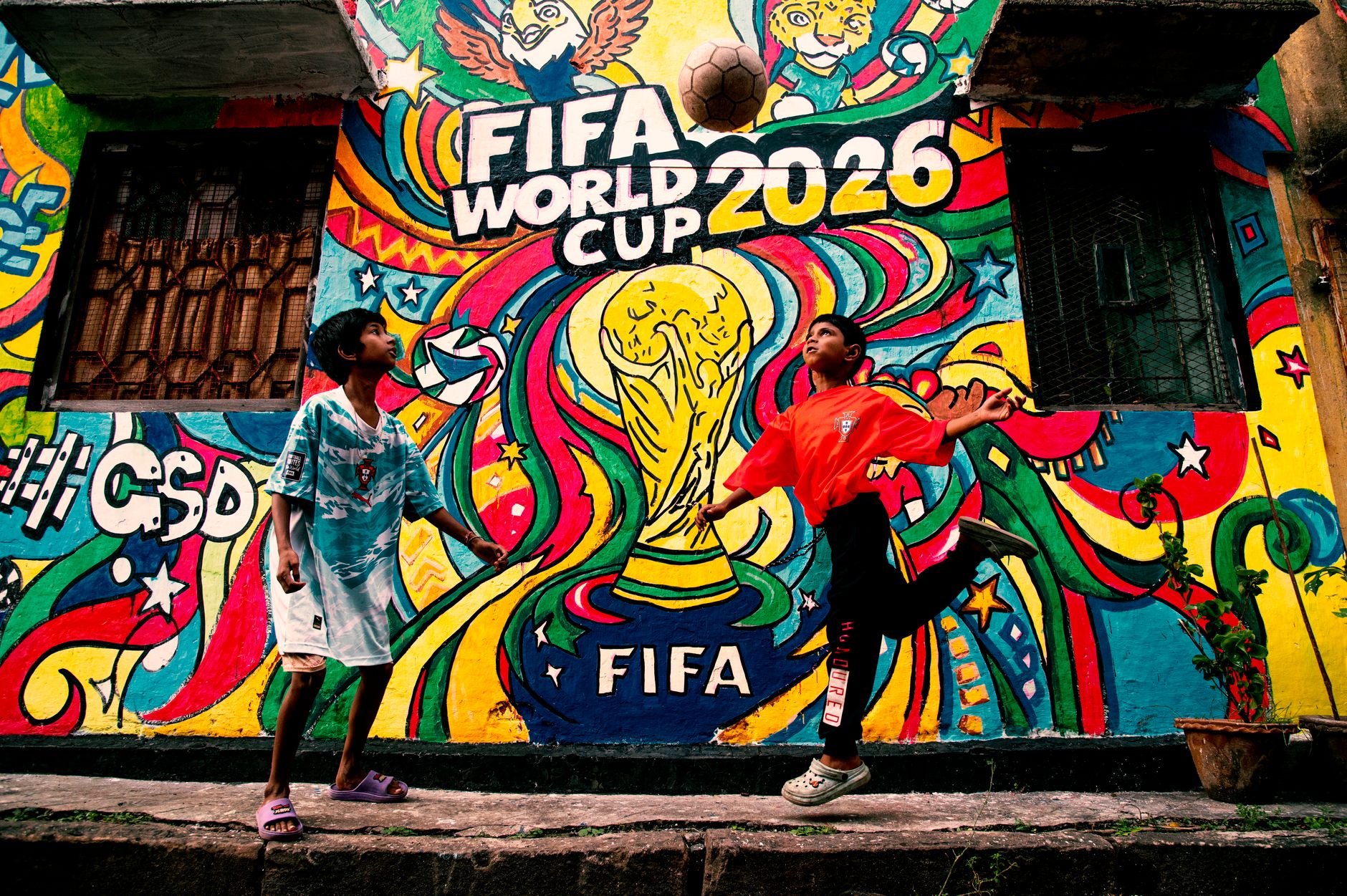
The FIFA World Cup stands as the most prestigious football competition on Earth, held every four years and attracting billions of viewers worldwide. The 2026 edition, co-hosted by the United States, Canada, and Mexico, marks a historic expansion from 32 to 48 participating nations, creating unprecedented opportunities for nations previously excluded from football's grandest stage.
Photo by Anirban Das on Pexels
This expansion fundamentally transforms qualification pathways, tournament scheduling, and tactical approaches across all participating teams. Understanding these changes positions fans and analysts alike to appreciate the strategic depth emerging in international football's premier competition.
Step 1: Understanding the World Cup's Historic Evolution
The inaugural FIFA World Cup took place in Uruguay in 1930, featuring just 13 teams competing across three stadiums. French striker Lucien Leduc scored the tournament's first goal, and host nation Uruguay claimed the inaugural trophy before passionate home crowds. This modest beginning established a tournament that would grow into a global phenomenon spanning nearly a century.
The tournament's expansion followed international football's growing popularity. The 1958 Sweden World Cup introduced knockout quarter-finals, creating the round structure fans recognize today. Brazil's legendary 1970 squad showcased Total Football tactics that revolutionized defensive organization, while Germany's 2014 team demonstrated how modern data analytics could optimize squad selection and in-match adjustments.
Each World Cup generation has contributed tactical innovations that subsequently influenced club football worldwide. The Hungarian "Mighty Magyars" of the 1950s introduced fluid attacking movements, while Italy's defensive excellence in 1982 established the catenaccio principles still studied by coaches today.
FIFA's decision to expand the 2026 tournament to 48 teams represents the most significant format change since 1998, when the field grew from 24 to 32 participants. This expansion creates 104 total matches across the tournament—up from 64 in 2022—requiring new infrastructure, extended scheduling windows, and revised qualification criteria affecting confederations worldwide.
The 2026 format introduces eight groups of six teams each, replacing the previous structure of eight groups of four. Teams now advance based on combined group-stage and knockout performance metrics, with the top two from each group automatically qualifying for the round of 32, joined by the eight best third-place finishers.
Step 2: Analyzing the 2026 Host Nation Preparations
The 2026 World Cup marks an unprecedented triple-hosting arrangement, with matches distributed across 16 cities in three North American nations. The United States contributes 11 venues, including the renovated MetLife Stadium in East Rutherford, New Jersey, and the spectacular SoFi Stadium in Inglewood, California. Canada hosts matches in Toronto and Vancouver, while Mexico features iconic venues including the Estadio Azteca in Mexico City.
FIFA's Venue Selection Committee approved stadium configurations prioritizing fan experience and broadcast quality. Average seating capacities exceed 65,000 spectators, with the potential for expanded temporary structures to accommodate projected attendance figures. The Rose Bowl in Pasadena, host to the 1994 final, returns as a premier venue alongside modern facilities like Dallas's AT&T Stadium.
Infrastructure investments totaling approximately $2.4 billion support transportation networks, accommodation facilities, and technology upgrades across host cities. These preparations reflect lessons learned from previous tournaments, incorporating enhanced accessibility features and sustainable stadium operations aligned with FIFA's 2030 environmental commitments.
Climate considerations influenced scheduling, with summer temperatures in Texas and Arizona prompting afternoon match restrictions. The expanded November-December window, shifted from traditional June-July scheduling, introduces unique tactical challenges for clubs releasing players for international duty during domestic league campaigns.
Step 3: Tactical Innovations Defining Modern World Cup Football
Contemporary World Cup football demands tactical flexibility unprecedented in tournament history. The 2022 Qatar tournament showcased how pressing intensity, defensive organization, and set-piece specialization could neutralize individual brilliance, with Morocco's run to the semi-finals exemplifying collective tactical discipline overcoming superior individual opponents.
Modern coaches deploy sophisticated data-driven preparation methods, analyzing opposition tendencies through thousands of match events captured by optical tracking systems. GPS-enabled training loads monitor player fatigue, enabling optimal rotation strategies across the compressed tournament schedule. This scientific approach transforms World Cup preparation into a year-round endeavor for leading nations.
Set-piece efficiency has emerged as a decisive tournament factor, with approximately 40% of goals in recent World Cups originating from corners, free kicks, or penalties. Specialized delivery analysts and movement coaches now form standard components of national team coaching staffs, while defensive zonal marking systems have evolved to counter increasingly complex attacking patterns.
The expansion to 48 teams introduces tactical considerations unique to extended group stages. With eight groups of six teams, matches against regional rivals become inevitable, potentially reducing tactical surprises and increasing the importance of psychological resilience. Teams must balance aggressive performances against unfamiliar opponents while preserving resources for subsequent knockout rounds.
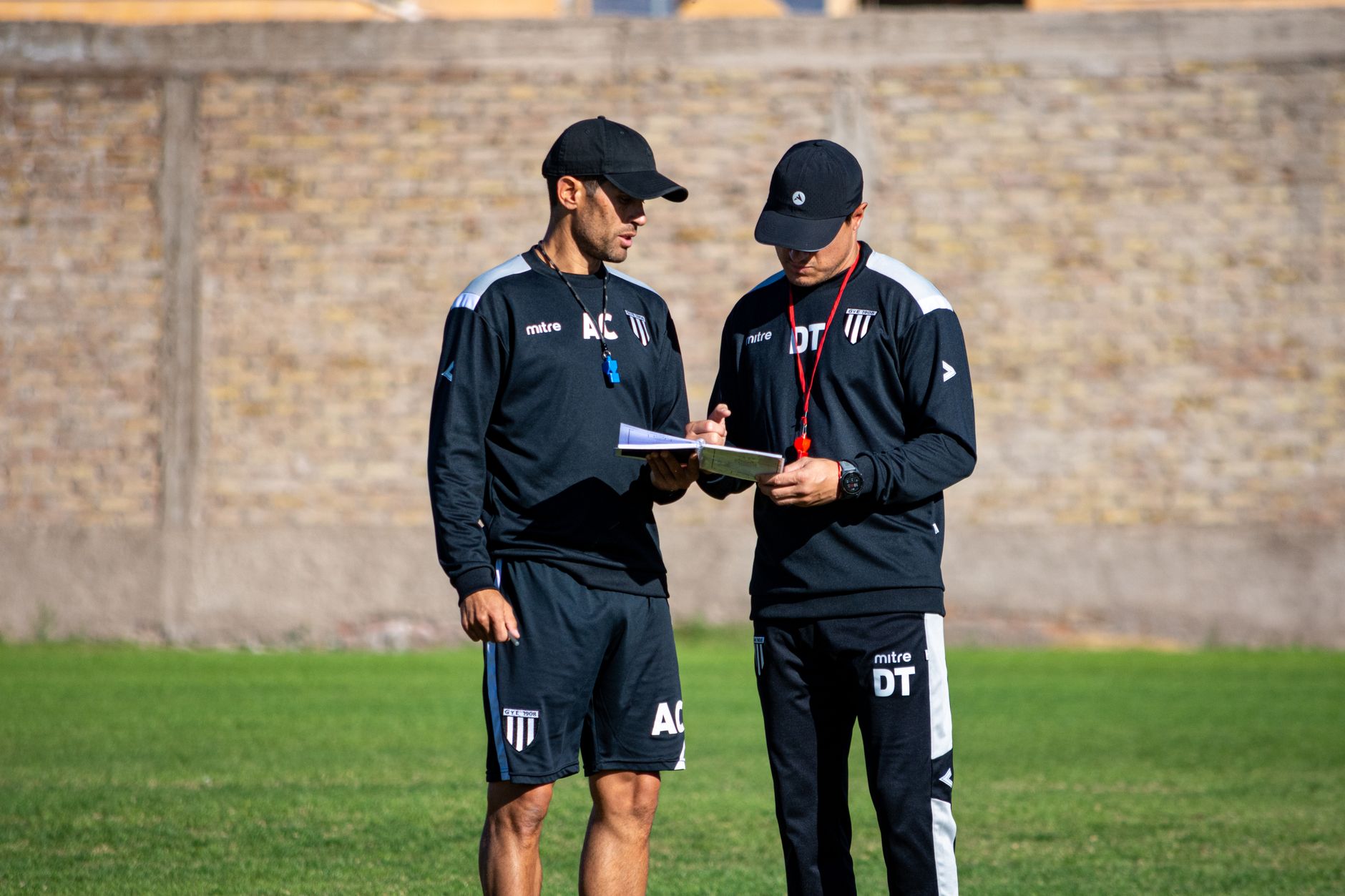
Photo by Franco Monsalvo on Pexels
Stadium View's tactical analysis team monitors these evolving strategies, providing subscribers with detailed breakdowns of formation shifts, pressing triggers, and positional rotations that determine World Cup success. Our predictive models incorporate historical performance data alongside current squad composition to forecast tactical approaches across all 48 participating nations.
Step 4: Examining Qualification Pathways and Regional Contenders
The 2026 World Cup qualification process concluded with 48 teams securing their places among the tournament's expanded field. UEFA contributes 16 European nations, CONMEBOL provides 6 South American representatives, while CAF's African contingent includes 9 teams. AFC Asian qualification delivered 8 participants, CONCACAF earned 6 spots including the three automatic hosts, and OFC received its first guaranteed World Cup slot.
Historically dominant nations have navigated expanded qualification formats with varying success. Brazil maintains its record of appearing in every World Cup since 1930, while Germany, Italy, and Argentina demonstrate consistent tournament presence. However, emerging football nations including Qatar (2022 debut), Iceland (2018), and Panama (2018) have utilized expanded formats to achieve breakthrough qualifications.
European qualification for 2026 introduced innovative playoff structures, with 16 teams competing for four remaining European spots through home-and-away knockout rounds. This format creates dramatic qualification deciders that generate significant viewer interest while maintaining competitive standards for tournament participants.
CONCACAF's expanded allocation—increasing from 3.5 to 6 automatic qualifications—provides Central American and Caribbean nations guaranteed participation opportunities previously dependent on intercontinental playoffs. This structural change strengthens regional football development while ensuring North American representation beyond traditional powerhouses Mexico and the United States.
The tournament draw, scheduled for late 2025, will determine group assignments and opening-match pairings. FIFA's seeding methodology incorporates current FIFA World Rankings alongside recent tournament performance metrics, creating balanced competitive groups while preserving geographic diversity requirements.
Step 5: Verifying World Cup Records and Historical Statistics
FIFA maintains comprehensive World Cup statistical databases documenting tournament records spanning nearly a century. German striker Miroslav Klose holds the all-time World Cup scoring record with 16 goals across four tournament appearances, while Marta of Brazil leads women's World Cup scoring with 17 career goals.
Brazil's five World Cup victories (1958, 1962, 1970, 1994, 2002) represent unmatched international achievement, with theSelecão's 2002 tournament triumph featuring Ronaldo's record eight goals. This dominance established Brazil as football's measuring stick, though Germany's four titles and Italy's four championships demonstrate European competitiveness across tournament history.
Attendance records continue growing with tournament expansion. The 1994 United States World Cup attracted 3.5 million spectators across 52 matches, establishing records surpassed only by expanded subsequent tournaments. The 2026 edition's 104 matches project total attendance exceeding 3.8 million, with individual match records potentially challenged by newly constructed high-capacity venues.
FIFA's "Goal Control" technology, implemented since 2012, has verified goal-line decisions with millimeter precision, eliminating controversial refereeing decisions that historically influenced tournament outcomes. The 2026 tournament introduces enhanced video assistant referee (VAR) protocols, with artificial intelligence-assisted decision support for offside determinations and violent conduct assessments.
Statistical verification through Stadium View's proprietary databases enables fans and analysts to explore historical records, compare player performances across tournament generations, and track emerging statistical trends shaping contemporary World Cup football. These comprehensive records transform raw match data into meaningful insights about football's evolution.
Troubleshooting Common World Cup Misconceptions
Several persistent misconceptions surround World Cup football, often perpetuated by inadequate historical context or outdated information sources. Understanding these clarifications enhances appreciation for the tournament's complexity and global significance.
Myth: Hosting provides automatic competitive advantages. While home crowds and familiar conditions benefit teams, statistical analysis across 22 World Cups demonstrates minimal correlation between host nation performance and ultimate tournament outcomes. South Korea reached the 2002 semi-finals as co-hosts, yet Germany finished third as unified hosts in 2006 despite elevated expectations.
Myth: Expansion dilutes tournament quality. The transition from 24 to 32 teams in 1998 actually produced closer average scorelines and more competitive group stages than previous formats. Broader participation encourages global football development while maintaining elite competitive standards through rigorous qualification requirements.
Myth: The World Cup's traditional June-July scheduling is mandatory. The 2022 Qatar tournament demonstrated viable alternative scheduling, with the 2026 edition permanently shifting to November-December timing to accommodate North American summer conditions. These adaptations reflect FIFA's commitment to optimal playing conditions over traditional scheduling conventions.
Myth: Group stage matches lack competitive intensity. With eight third-place finishers advancing to knockout rounds, every group-stage result carries elimination implications. The expanded 2026 format intensifies this pressure, as teams cannot rely on favorable tiebreaker scenarios when facing six group opponents rather than three.
Myth: VAR implementation slows tournament pace. Average match duration has increased by only 4.3 minutes despite VAR reviews, while controversial decision reversals have increased from 3.1% to 0.4% of key incidents. Technology integration enhances competitive fairness while maintaining football's traditional rhythms.
Frequently Asked Questions
Q: What countries have won the most FIFA World Cup titles?
A: Brazil leads with five World Cup victories, followed by Germany and Italy with four titles each. Argentina claimed three titles before 2022, when Lionel Messi's generation secured the nation's third trophy in Qatar.
Q: How many teams will participate in the 2026 World Cup?
A: The 2026 World Cup features 48 teams, expanded from 32 participants in the 2022 tournament. This expansion creates 104 total matches across 16 host cities in the United States, Canada, and Mexico.
Q: When and where will the 2026 World Cup be held?
A: The 2026 World Cup runs from November 15 to December 21, 2026, with matches distributed across 16 cities in three North American nations. Key venues include MetLife Stadium in New Jersey, SoFi Stadium in California, and Estadio Azteca in Mexico City.
Q: How does the 2026 World Cup group stage format work?
A: Eight groups of six teams each will compete in the 2026 group stage. The top two teams from each group automatically advance, joined by the eight best third-place finishers, creating a 32-team knockout bracket beginning in the round of 32.
Q: What are the qualification spots allocated to each confederation for 2026?
A: UEFA receives 16 spots, CAF earns 9, CONMEBOL gets 6, AFC secures 8, and CONCACAF receives 6 automatic qualifications plus 3 hosts. OFC guarantees one automatic spot for the first time in tournament history.
Q: Which players hold individual World Cup records?
A: Germany's Miroslav Klose scored 16 career World Cup goals, the all-time record. Lothar Matthäus appeared in 25 World Cup matches, the most in tournament history, while Iker Casillas holds the record for most tournament clean sheets.
Q: How has World Cup tactical football evolved over the decades?
A: World Cup football has evolved from individual skill showcases to sophisticated collective tactical systems. Modern tournaments feature high-intensity pressing, data-driven preparation, specialized set-piece strategies, and positional flexibility that would have seemed impossible in earlier eras.
Q: What technology innovations will the 2026 World Cup introduce?
A: The 2026 tournament introduces enhanced AI-assisted VAR protocols for offside and violent conduct decisions, improved Goal Control technology for line verification, and expanded semi-automated tracking systems providing real-time tactical analytics to broadcast audiences.
Stadium View delivers daily insights for World Cup enthusiasts, from match predictions and team tactics to comprehensive player statistics. Our expert analysts track every qualification campaign, tactical development, and squad selection decision shaping the 2026 tournament landscape.

Photo by Omar Ramadan on Pexels
Explore Stadium View's comprehensive World Cup coverage to understand how tactical innovations, expanded participation, and technological advancements are transforming football's greatest tournament. Our subscriber-exclusive predictions incorporate historical performance data, current form indicators, and tactical compatibility analyses unavailable through conventional sports coverage.
[Internal Link: FIFA World Cup history and records]
The beautiful game's ultimate competition continues evolving, and staying informed about format changes, qualification pathways, and tactical trends enhances every viewing experience. Stadium View's expert team monitors developments across all 48 qualifying nations, delivering actionable insights for fans, analysts, and enthusiasts seeking deeper World Cup understanding.
[Internal Link: 2026 World Cup team profiles]
Whether analyzing Brazil's pursuit of a sixth title, Germany's tactical evolution under new leadership, or emerging nations seeking breakthrough performances, Stadium View provides the comprehensive coverage that transforms casual viewers into knowledgeable World Cup experts. The expansion to 48 teams creates unprecedented narrative possibilities, and our coverage ensures you won't miss a single moment of footballing history in the making.
[Internal Link: World Cup betting predictions]